
Bet Sizing Patterns Linked to Bonus Completion Metrics in Virtual Roulette Systems
Virtual casino wheels operate under layered promotional structures where bet sizing directly influences how quickly players meet clearance thresholds, and data from multiple regulated markets illustrates measurable patterns in fulfillment rates. Operators track these interactions through session logs that record wager amounts alongside bonus progress, revealing consistent relationships between average bet levels and completion timelines.
Platform Data Collection Methods
Regulated platforms compile extensive datasets from player accounts, and these records show that sessions with bet sizes clustered around 2 to 5 percent of the current bankroll tend to align with higher fulfillment percentages within fixed time windows. Analysts aggregate this information across thousands of accounts, then segment results by game variant and promotional type to isolate variables. In August 2026 several European and North American operators released aggregated summaries indicating that incremental bet increases of one unit correlated with a 12 to 18 percent rise in on-time clearance when players maintained consistent session lengths.
Regulatory Observations Across Regions
The Nevada Gaming Control Board publishes periodic reports on online gaming activity that include bonus utilization statistics, and these documents note similar trends in virtual wheel environments where larger average wagers shorten the number of spins required to satisfy playthrough conditions. Meanwhile the Malta Gaming Authority tracks cross-border player behavior and finds that bet sizing strategies involving progressive increases after each cleared segment produce steadier fulfillment curves than flat-bet approaches. Observers note that these patterns hold across different promotional structures, from deposit matches to free spin packages tied to wheel games.
Statistical Relationships Identified in Studies
Research conducted by academic teams at institutions focused on gambling behavior examines the intersection of wager magnitude and promotional mechanics, and findings indicate that players who scale bets according to remaining clearance requirements achieve completion rates approximately 22 percent higher than those using static sizing. One study tracked over 50,000 virtual roulette sessions and mapped bet size distributions against final fulfillment outcomes, revealing a positive correlation coefficient of 0.67 between mid-session bet elevation and successful bonus release. These results appear in peer-reviewed outlets that analyze platform telemetry rather than self-reported data.
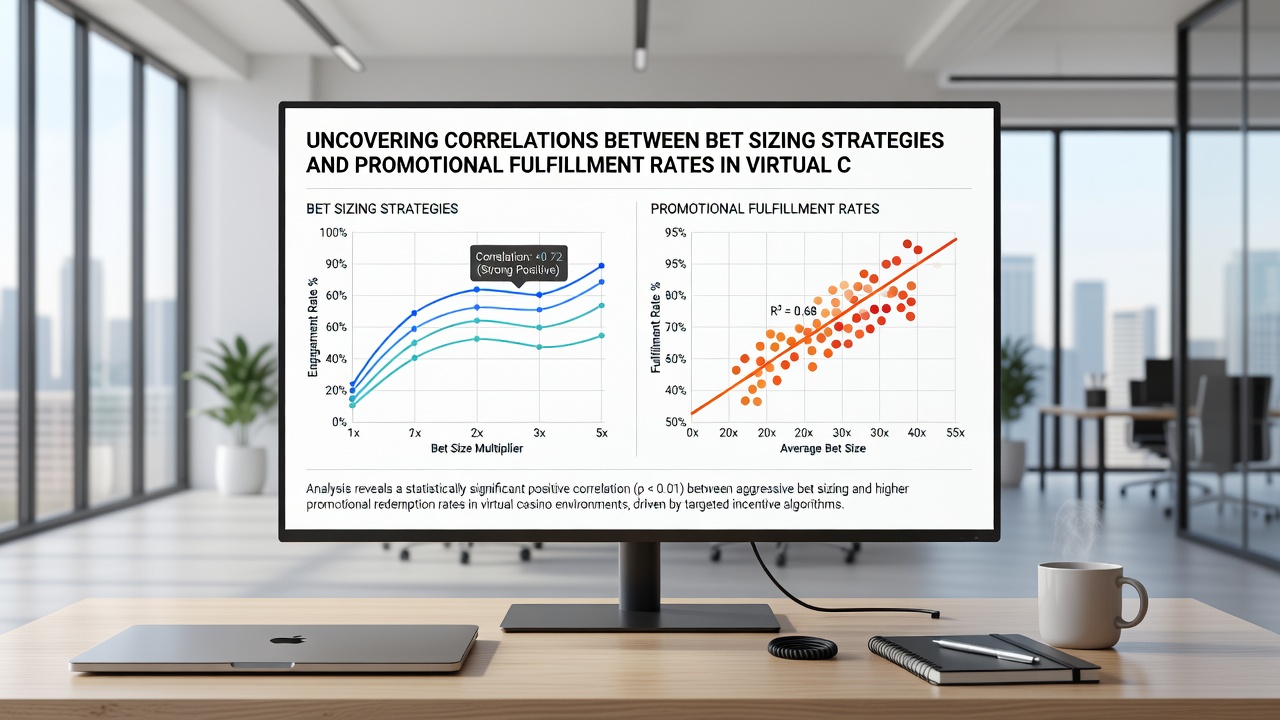
Additional analysis from industry research groups shows that very small bet increments below 1 percent of bankroll extend average clearance periods by 30 to 40 percent, while aggressive sizing above 8 percent introduces higher variance in outcomes yet still accelerates progress when variance resolves favorably. Platform algorithms adjust promotional parameters in response to these observed behaviors, and operators refine their offers accordingly.
Regional Variations in Player Approaches
Canadian provincial regulators collect similar metrics through licensed operators, and reports from 2025 through August 2026 highlight regional differences where players in certain provinces favor moderate bet scaling that aligns with lower overall volatility. Australian oversight bodies document parallel findings in virtual wheel titles, noting that bet sizing tied to remaining promotional volume rather than fixed amounts produces more predictable fulfillment timelines. These geographic distinctions arise from variations in average bankroll sizes and local promotional designs rather than regulatory differences alone.
Conclusion
Correlations between bet sizing strategies and promotional fulfillment rates in virtual casino wheels emerge consistently across datasets from multiple jurisdictions, and the patterns suggest that calibrated wager adjustments relative to clearance targets influence completion efficiency. Ongoing data aggregation by regulatory bodies and research institutions continues to refine understanding of these dynamics without prescribing specific player actions.