
Milestone Achievements and Roulette Free Spin Mechanics: An Examination of Digital Platform Interactions
Digital platforms have integrated milestone achievement systems with roulette free spin mechanics for years, and observers note that these connections shape how players progress through reward structures in regulated markets. Data from multiple jurisdictions shows that milestone tracking often triggers free spin allocations when players reach specific thresholds such as total spins completed or consecutive session participation, while free spin mechanics in turn influence the rate at which new milestones become attainable. Researchers at various institutions have documented these interactions across European and North American operators, where algorithms adjust free spin frequency based on accumulated achievement points.
Platform Implementation Patterns
Operators in several regions employ tiered milestone frameworks that directly feed into roulette free spin eligibility, and figures from the New Jersey Division of Gaming Enforcement reveal consistent patterns in how achievement levels unlock additional spins without requiring separate deposits. These systems typically log player activity in real time, converting completed milestones into free spin credits that appear in the roulette lobby interface, while the spins themselves carry wagering requirements tied to the original milestone category. Platforms operating under the Malta Gaming Authority have published technical specifications that illustrate how free spin multipliers scale with milestone rank, creating a feedback loop where higher achievements yield more valuable spins and accelerate further progress toward subsequent tiers.
October 2026 brought updates to several major platforms, where developers adjusted the linkage algorithms to reduce overlap between milestone rewards and standard free spin promotions. Those changes followed analyses of session data indicating that players who combined both reward types completed clearance pathways at higher rates than anticipated. Industry reports from the European Gaming and Betting Association highlight that such refinements aimed to maintain separation between achievement-based spins and promotional offers while preserving engagement metrics across mobile and desktop environments.
Data Correlations in Player Progression
Studies conducted by academic groups have examined correlations between milestone completion rates and free spin redemption volumes, and results indicate that players reaching intermediate milestones tend to redeem free spins within shorter time windows compared to those starting at lower tiers. One analysis of anonymized platform logs found that free spin mechanics often reset certain milestone counters, allowing repeated cycles of achievement unlocking within the same calendar month. Regulators in Australia have tracked similar dynamics through mandatory reporting from licensed operators, noting that the integration affects average session duration without altering overall game return percentages.
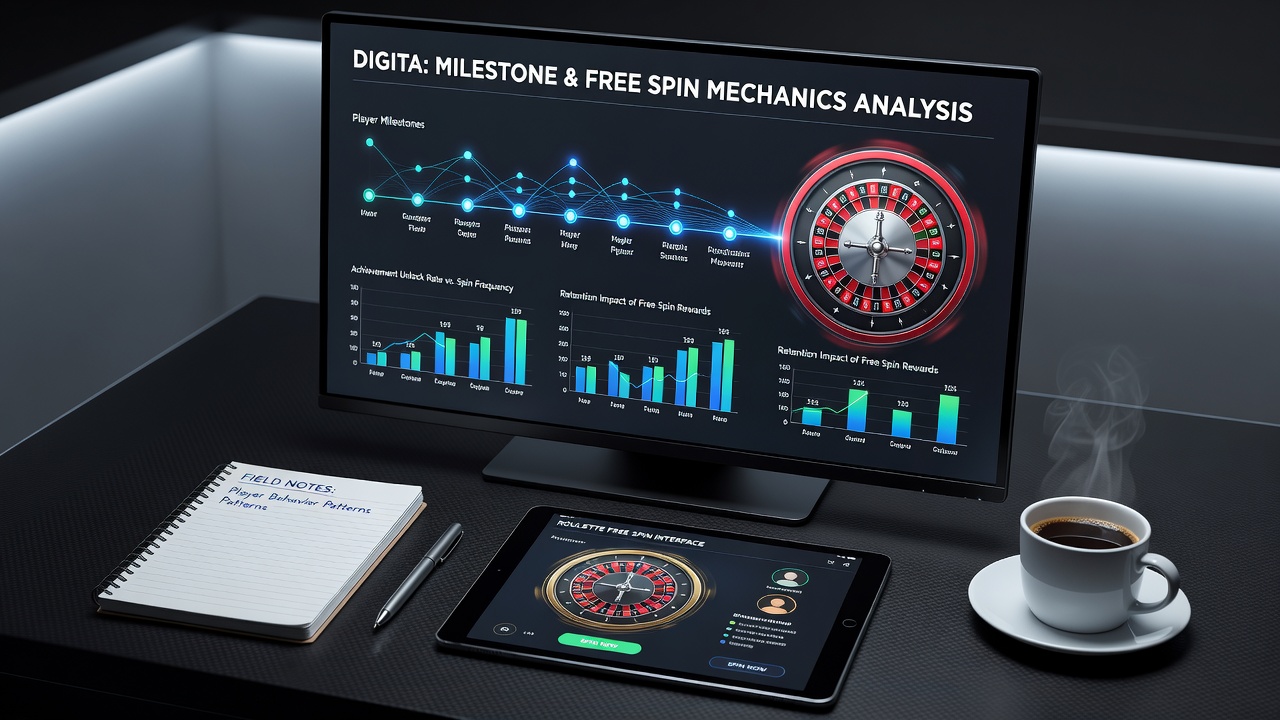
What's interesting is how geolocation data sometimes modulates these mechanics, as platforms serving multiple jurisdictions apply region-specific milestone criteria that alter free spin availability. Observers have recorded cases where players crossing borders experience automatic recalibration of their achievement progress, which in turn changes the free spin bundles offered during roulette sessions. This adjustment process relies on backend databases that synchronize with regulatory requirements, ensuring compliance while maintaining the core linkage between milestones and spins.
Technical Mechanics and Tracking Systems
Backend architectures supporting these features use event-driven triggers that activate whenever a milestone event occurs, and the resulting free spin grants appear directly in the roulette module rather than a separate rewards center. Developers have incorporated API endpoints that allow real-time verification of achievement status before spin activation, reducing instances of mismatched rewards across different device types. Technical documentation from platform providers indicates that these triggers also log redemption patterns for auditing purposes, creating datasets that researchers later use to study player behavior across extended periods.
Yet the integration does not operate uniformly, since some operators separate milestone achievements into distinct categories such as volume-based versus frequency-based tracks, each feeding different free spin variants into the roulette environment. Volume-based milestones typically award spins with higher bet limits, whereas frequency-based ones provide more numerous but lower-value spins, and players can select which track to prioritize based on their preferred roulette variants. This choice architecture appears in platform interfaces as selectable paths, with visual indicators showing projected free spin outcomes tied to each milestone line.
Conclusion
Investigations into these systems continue as platforms refine their algorithms in response to regulatory shifts and technological advancements. The documented links between milestone achievements and roulette free spin mechanics demonstrate structured reward pathways that operate consistently across digital environments, supported by data collection practices that span multiple regulatory frameworks. Further examination of these interactions will likely focus on how updates in October 2026 and beyond influence long-term player progression patterns in evolving platform ecosystems.