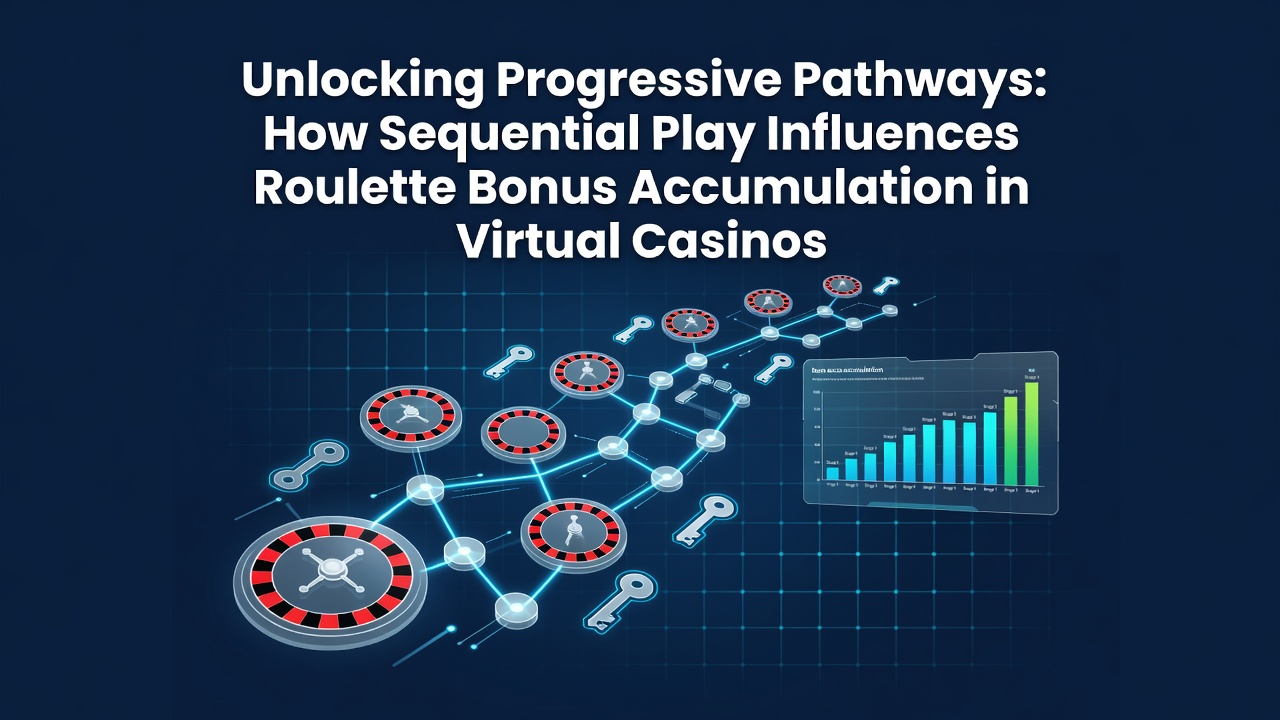
Sequential Engagement Patterns and Their Role in Shaping Bonus Structures Within Online Roulette Platforms
Virtual casino platforms have developed intricate bonus systems that respond directly to patterns of repeated play sessions, and sequential engagement has emerged as a key factor in how these rewards build over time. Data from multiple regulated markets shows that players who maintain consistent session intervals often unlock additional tiers within progressive reward structures compared to those with irregular activity. This dynamic appears across European and North American operators alike, where algorithms track login frequency, wager volume, and game selection to adjust bonus eligibility.
Core Mechanics of Sequential Play in Digital Roulette
Sequential play refers to structured patterns where participants complete a series of rounds or sessions within defined timeframes, and platforms use these patterns to calculate progression toward bonus milestones. Studies conducted by academic research teams at institutions such as the University of Nevada, Reno indicate that bonus accumulation accelerates when players chain sessions without extended gaps, since many systems reset or scale rewards based on continuity metrics. In August 2026 several platforms updated their tracking protocols to incorporate more granular session data, allowing finer distinctions between consecutive and sporadic activity.
Operators integrate these mechanics through loyalty layers that assign points or credits upon meeting sequential thresholds, and evidence from industry reports reveals higher clearance rates for bonuses tied to multi-session chains. Those who examine platform terms note that daily login streaks combined with minimum roulette wagers frequently trigger incremental unlocks, while isolated high-volume sessions produce fewer layered rewards.
Regional Regulatory Influences on Bonus Pathways
Regulatory frameworks in different jurisdictions shape how sequential mechanics operate, and the Malta Gaming Authority has published guidelines requiring transparent disclosure of progression formulas used in bonus programs. Similarly, the Alcohol and Gaming Commission of Ontario mandates that operators document how repeated play sequences affect reward scaling, providing players with clearer visibility into accumulation processes. These requirements have led to standardized reporting across platforms serving those markets, reducing ambiguity around what constitutes qualifying sequential activity.
Figures from the Australian Communications and Media Authority further show that bonus structures emphasizing continuity have gained traction in licensed environments, with operators required to maintain audit trails of session patterns. This regulatory backdrop supports consistent application of sequential rules, allowing players to anticipate how repeated engagement translates into accumulated benefits across multiple weeks or months.
Platform Algorithms and Player Session Data
Behind the scenes, virtual casino systems employ algorithms that analyze heatmaps of player behavior, and sequential patterns receive weighted priority in determining bonus progression. One analysis of aggregated session logs demonstrated that chains of three or more consecutive days with roulette activity correlate with elevated bonus release rates, whereas single-session spikes rarely advance players through higher tiers. Platforms adjust these weights periodically, and updates in mid-2026 incorporated additional variables such as time-of-day consistency to refine reward distribution.
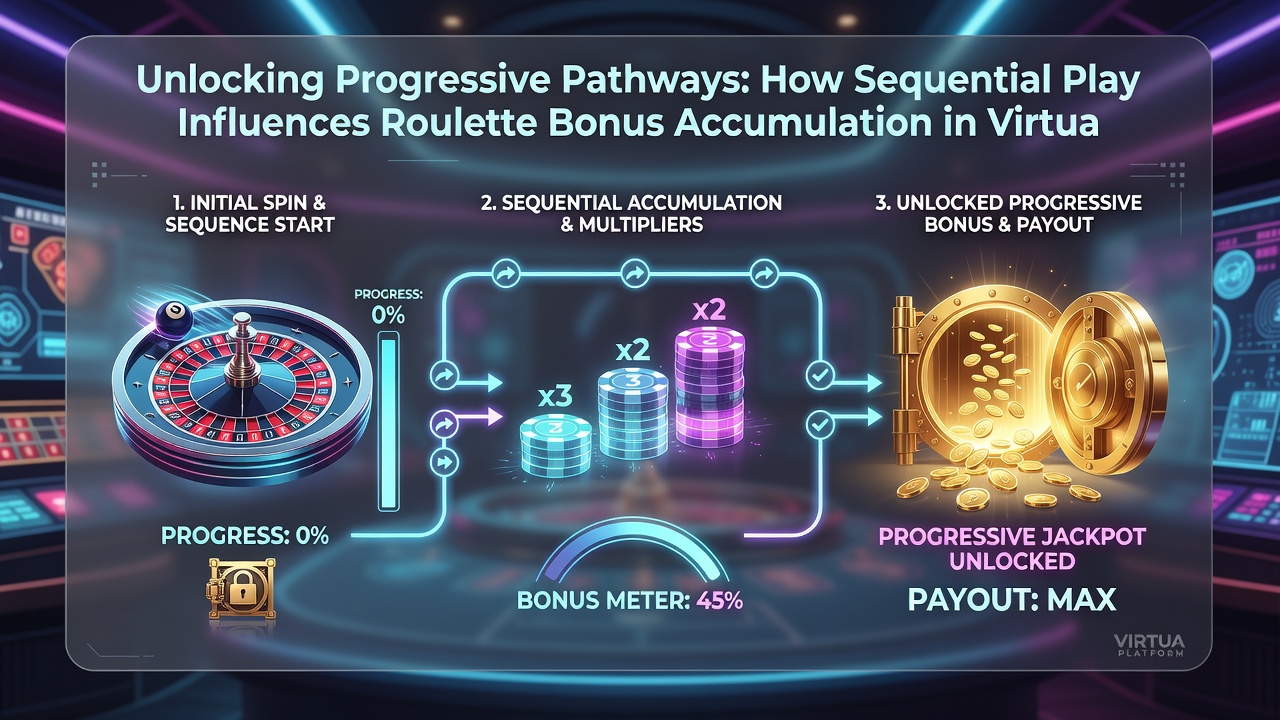
Observers note that certain operators now display real-time progression meters that reflect sequential contributions, giving participants immediate feedback on how ongoing play affects their standing. This transparency stems from both regulatory pressure and competitive positioning, since platforms seek to retain users through visible reward pathways tied to consistent engagement.
Comparative Examples Across Operator Types
European-facing sites often link sequential roulette play to tiered cashback structures that compound weekly, while North American platforms may emphasize daily login bonuses that feed into larger monthly accumulations. Data compiled by the Canadian Gaming Association highlights that players maintaining five-session sequences within a seven-day window achieve faster progression than those completing equivalent wagers in fewer, longer sessions. These differences arise from distinct market priorities and compliance environments rather than universal design principles.
Industry organizations such as the European Gaming and Betting Association have compiled case studies showing how sequential frameworks interact with regional event calendars, including summer promotions that reward extended play chains during peak tourism periods. Such examples illustrate the adaptability of these systems without altering core accumulation logic.
Conclusion
Sequential play continues to function as a measurable driver within roulette bonus systems across virtual platforms, and regulatory bodies alongside academic researchers continue to document its effects on reward progression. Platforms refine their algorithms in response to session data patterns, while geographic variations in oversight produce distinct implementations of the same underlying principle. As tracking capabilities advance, the relationship between repeated engagement and bonus accumulation remains a central element of how digital roulette environments structure player incentives.